
TL;DR:
- Event entertainment in 2026 emphasizes purposeful, interactive, and culturally relevant experiences. Micro-events and tailored storytelling enhance emotional engagement, supported by technology that amplifies rather than replaces human connection. Skilled MCs and strategic briefing are crucial for maintaining energy, ensuring memorable experiences that resonate with audiences.
Event entertainment trends in 2026 are defined by one clear shift: audiences no longer accept passive spectacle. They expect to be part of the experience. Whether you are planning a corporate conference in Edinburgh, a wedding reception in the Highlands, or an executive dinner in London, the same principle applies. Immersive, personalised, and culturally resonant entertainment is now the baseline expectation, not a premium add-on. This guide explains the key forces reshaping event entertainment this year, with specific formats, data, and practical guidance for planners, organisers, and couples making decisions right now.
What do event entertainment trends 2026 actually mean for planners?
The phrase “event entertainment trends 2026” refers to the industry-wide shift in how live experiences are designed, performed, and received by audiences. The professional term for this shift is experiential event design, and it covers everything from performance format selection to how technology is woven into the guest journey. Understanding this distinction matters because it changes how you brief suppliers and allocate budget.
Three forces are driving this shift simultaneously. First, audience expectations have risen sharply after years of high-quality streaming and creator content. Second, AI tools now allow planners to personalise entertainment at a scale that was not possible before. Third, cultural moments such as the 2026 FIFA World Cup are giving corporate event planners a ready-made emotional framework to build around. Platforms like Cvent and industry analysts at The Idea Hunter both confirm that entertainment as communication is the defining principle of 2026 event design. Generic acts booked to fill time are being replaced by purposeful performances that advance the event’s narrative.
What are the top interactive entertainment formats redefining events in 2026?
Interactive entertainment has moved from a novelty to the dominant format across both corporate and wedding contexts. The shift is not subtle. Audiences have less tolerance for passive downtime, and professional emcees now actively manage show flow and energy rather than simply making announcements. A skilled MC is the difference between a programme that feels alive and one that stalls between segments.
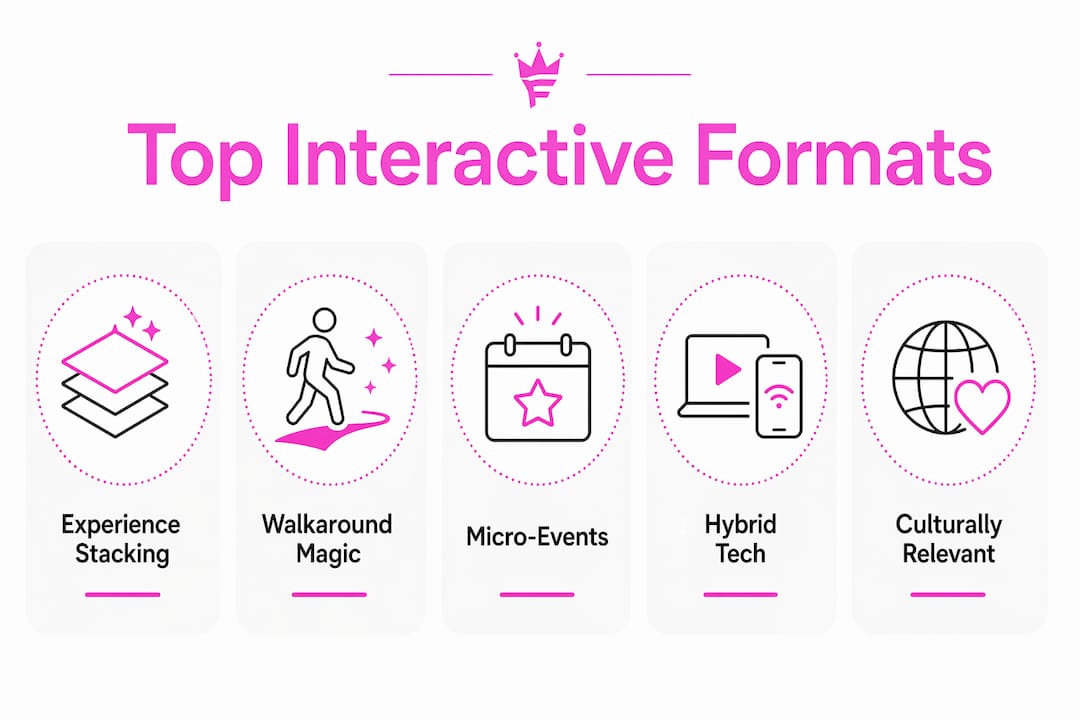
The formats gaining the most traction right now include:
- Walkaround magic and close-up performance. This format engages guests organically during cocktail hours without requiring a stage or a formal announcement. Guests are met where they are, which encourages natural conversation and socialising.
- Live art installations. A caricaturist, speed painter, or calligrapher working in real time gives guests something to gather around and take home. The artwork becomes a physical memory of the event.
- Immersive dining theatre. Performers are woven into the meal itself, with characters, musicians, or storytellers moving between tables rather than performing from a fixed stage.
- Audience-led activations. Photo booths with live printing, collaborative music experiences, and interactive voting during presentations all remove the boundary between performer and guest.
The common thread across all of these is that guests are never observers for long. Layering multiple interactive touchpoints, what practitioners call experience stacking, leads to zero passive moments and measurably higher attendee satisfaction.
Pro Tip: Do not stack every interactive format into one event. Choose two or three that complement each other and serve the event’s specific goal. Overloading guests with activations creates noise, not memory.
How are micro-events reshaping entertainment choices?
Micro-events are now central to relevant event design in 2026. The data is clear: 58% of marketers plan to host more small, high-impact events rather than large generic gatherings this year. That figure represents a structural change in how budgets are allocated, not a passing preference.
Smaller gatherings, such as invite-only dinners, executive roundtables, and curated brand experiences, allow entertainment to be far more targeted. A saxophonist performing bespoke arrangements for 40 guests creates a different quality of connection than the same performer on a stage for 400. The intimacy changes the emotional register entirely.
| Event format | Entertainment benefit | Best suited for |
|---|---|---|
| Invite-only dinner (20 to 40 guests) | Highly personalised acts, direct interaction | Executive networking, brand launches |
| Executive roundtable (10 to 20 guests) | Facilitated discussion with ambient live music | Leadership summits, client retention events |
| Curated brand experience (50 to 80 guests) | Themed performances aligned to brand narrative | Product launches, award ceremonies |
| Large-scale conference (200 or more guests) | High-production headline acts, keynote entertainment | Industry conferences, annual company events |
Venue choices are adapting accordingly. Planners are moving away from large ballrooms in favour of private dining rooms, rooftop terraces, and gallery spaces that feel curated rather than corporate. The venue itself becomes part of the entertainment concept. For weddings, this trend translates into more intimate celebrations where every entertainment choice, from the first dance DJ set to the after-dinner performer, is selected with the specific guest list in mind rather than a generic crowd.
Why does cultural relevance matter in 2026 event entertainment?
Cultural relevance is not a soft consideration. Audiences in 2026 reject generic formats as outdated, and the consequence is measurable disengagement. When entertainment feels disconnected from the cultural moment or the brand’s values, guests disengage and the event’s return on investment drops.
The 2026 FIFA World Cup is the most significant cultural event available to corporate planners this year. Smart entertainment teams are not simply adding football-themed décor. They are extracting the emotional core of the tournament, themes of national pride, collective achievement, and high-stakes performance, and translating those into event design language. A corporate awards ceremony that frames its top performers as “squad members” and uses a live DJ to build tension before announcements is doing something fundamentally different from one that reads names off a list.
Storytelling is the mechanism that makes cultural relevance work in practice. Every entertainment choice should answer one question: what story does this tell about the people in this room? Music selection, performer briefing, and the sequence of acts all contribute to a narrative arc. When that arc is coherent, guests feel it even if they cannot articulate why.
“Corporate entertainment must focus on shared emotional connections rather than superficial spectacle to deliver ROI and audience loyalty.” The Idea Hunter
The risk of ignoring this is not just a flat event. It is a missed opportunity to use entertainment as a communication tool. Brand-aligned storytelling directly enhances audience engagement and justifies the entertainment budget in commercial terms.
What role does technology play in event entertainment innovations 2026?
Technology in 2026 event entertainment is best understood as an amplifier rather than a replacement. AI tools are being used to personalise content curation, match performers to audience demographics, and even generate real-time set lists based on crowd response data. These are genuine improvements to the planning and delivery process.
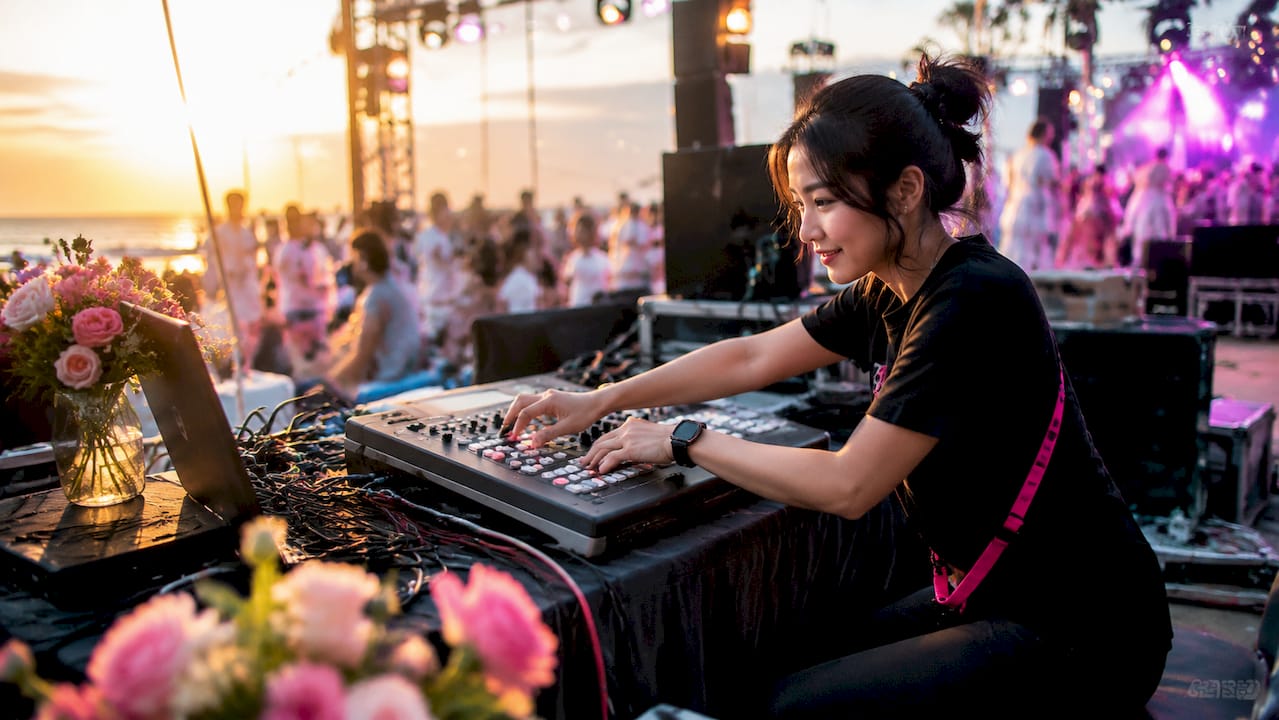
The most significant technology trend for planners to act on right now is hybrid production quality. Events that invest in professional camera direction and dedicated online experience management outperform those with basic streaming setups by a significant margin in terms of remote attendee satisfaction and post-event content value. A well-produced hybrid event extends the entertainment’s reach and creates assets that work long after the event ends.
Creator-led entertainment is the other major technology-driven shift. Influencer marketing budgets have grown by 171% leading into 2026, which reflects how much audiences trust performers they already follow. Booking a creator with a genuine following in your attendee demographic is not a gimmick. It is a strategic choice that increases both attendance and engagement.
The practical steps for integrating technology without losing the human element are straightforward:
- Use AI tools to brief performers on audience preferences before the event, not to replace the performer’s judgement on the night.
- Invest in a dedicated technical director for any hybrid element. Do not assign this to a generalist AV technician.
- Brief your MC on the technology in the room so they can reference it naturally rather than making it feel like a demonstration.
- Collect real-time feedback through event apps and share it with performers between segments so they can adjust their energy and content.
- Plan your post-event content strategy before the event. The best entertainment moments are also your best marketing assets.
The future of event entertainment lies in technology that serves the human experience rather than competing with it. The events that get this balance right in 2026 will set the standard for the rest of the decade.
Key takeaways
Event entertainment in 2026 delivers the strongest results when it is purposeful, interactive, and culturally grounded rather than generic or passive.
| Point | Details |
|---|---|
| Interactivity is the baseline | Formats like walkaround magic and experience stacking remove passive moments and increase satisfaction. |
| Micro-events drive deeper engagement | 58% of marketers are shifting to smaller, high-impact events for more targeted entertainment. |
| Cultural relevance protects ROI | Generic entertainment risks disengagement; brand-aligned storytelling justifies budget and builds loyalty. |
| Technology amplifies, not replaces | AI and hybrid production quality extend entertainment reach but must serve human connection first. |
| Skilled MCs are non-negotiable | A sharp emcee maintains energy through every transition and prevents programme momentum from stalling. |
What I have learned from watching 2026 trends unfold in real events
The single most common mistake I see planners make is confusing quantity of entertainment with quality of experience. An event with six acts and three activations can feel exhausting and forgettable. An event built around one or two high-impact moments that are meticulously planned and perfectly timed will be talked about for months.
What I have found consistently is that the events people remember are the ones where the entertainment felt like it was made specifically for them. That is not about budget. It is about briefing. A DJ who knows the couple’s story, a magician who has been told the names of the key guests, an MC who understands the company’s culture and internal language. These details cost nothing extra but they change everything about how the entertainment lands.
The other thing I would push back on is the assumption that technology automatically improves an event. I have seen beautifully produced hybrid streams that felt cold and disconnected, and I have seen a single saxophonist in a candlelit room reduce an audience to tears. The technology is only as good as the human experience it is designed to support. Plan the emotional journey first, then decide which tools serve it.
If you are planning a wedding or corporate event for 2026, my honest advice is this: hire fewer acts and brief them better. Invest in your MC as seriously as you invest in your headline performer. And choose entertainment that has something to say about the people in the room, not just something to fill the schedule.
— STUART
How Freshentertainments brings 2026 trends to life
Freshentertainments specialises in exactly the kind of purposeful, personalised entertainment that defines corporate event entertainment trends 2026 and wedding planning this year. From award-winning DJ and MC packages to saxophone integration and bespoke sound and lighting design, every service is built around the specific story you want to tell. Whether you are creating the perfect wedding party atmosphere or delivering a corporate event that reflects your brand’s values, Freshentertainments brings the expertise, the energy, and the attention to detail that turns a good event into an unforgettable one. Peak season dates fill quickly, so early booking is strongly advised.
FAQ
What are the biggest event entertainment trends for 2026?
The leading trends are interactive formats such as walkaround magic and experience stacking, micro-events with curated entertainment, and culturally relevant storytelling aligned to brand or personal narratives. Technology, particularly AI personalisation and hybrid production, plays a supporting role.
How do micro-events change entertainment planning?
Smaller gatherings allow entertainment to be far more targeted and personal. With 58% of marketers shifting to high-impact smaller events, planners have more opportunity to select acts that speak directly to a specific audience rather than a generic crowd.
Why is an MC so important in 2026 event planning?
A skilled MC actively manages show flow and maintains energy through every transition. Industry experts at Trino confirm that a flat host makes even strong programmes feel slow, while a sharp emcee keeps the entire event feeling alive and purposeful.
How should technology be used in event entertainment?
Technology works best as an amplifier of human experience. Use AI tools to personalise performer briefings, invest in professional hybrid production for any streamed elements, and ensure your MC can reference technology naturally so it feels integrated rather than bolted on.
What is experience stacking in event entertainment?
Experience stacking is the practice of layering multiple interactive touchpoints, such as live art, ambient music, and audience activations, throughout an event to eliminate passive moments and sustain high levels of attendee engagement from arrival to close.