
Planning your wedding playlist feels overwhelming when you’re trying to satisfy your musical tastes while keeping Aunt Margaret and your uni mates happy on the dance floor. A thoughtfully curated playlist transforms your reception from awkward silence to unforgettable celebration. This guide walks you through expert strategies to build a wedding playlist that resonates with every guest, from ceremony to last dance, ensuring your Scottish wedding becomes the party everyone remembers.
Table of Contents
- Prerequisites And Getting Started
- Step-By-Step Playlist Building For Each Wedding Phase
- Balancing Guest Preferences With Personal Touches
- Technology Tools And Collaborating With Professional Djs
- Common Mistakes To Avoid And Troubleshooting Tips
- Budgeting And Costs For Wedding Music
- Expected Outcomes And Success Indicators For Your Wedding Playlist
- Enhance Your Wedding With Professional Dj Services
- Frequently Asked Questions
Key takeaways
| Point | Details |
|---|---|
| Timeline matters | Start playlist planning 3-4 months ahead to avoid rushed, suboptimal song choices and allow time for adjustments. |
| Phase-specific playlists | Create separate playlists for ceremony, cocktails, dinner, and dancing to match each moment’s unique mood and energy requirements. |
| Balance personal and crowd appeal | Mix meaningful personal songs with popular tracks across genres and eras to engage all age groups while maintaining your authentic style. |
| Professional collaboration enhances execution | Work with experienced DJs and use music apps to ensure seamless transitions, live adjustments, and backup options throughout your celebration. |
| Rehearse key moments | Practice entrance songs, first dance, and critical transitions with your DJ to eliminate timing mishaps and emotional disconnects on your big day. |
Prerequisites and getting started
Successful playlist creation begins with proper preparation and timing. You need to start planning several months before your wedding to allow thoughtful song selection and avoid last-minute stress. Begin at least three to four months ahead so you have adequate time to refine choices, gather input, and coordinate with your entertainment team.
Before diving into song selection, gather essential information and tools:
- Collect music preferences from both partners through collaborative listening sessions
- Survey close family and friends about their favourite genres and must-play songs
- Define your wedding style and theme to guide the overall musical vibe
- Choose a primary platform like Spotify, Apple Music, or WeddingWire for playlist organisation
- Determine which phases need music: ceremony, cocktail hour, dinner, dancing
Your wedding style influences every musical decision. A vintage garden wedding in the Scottish Highlands calls for different selections than a modern city celebration in Glasgow. Consider your venue’s acoustics, guest demographics, and whether you want traditional Scottish elements woven into your playlist. Understanding these factors helps you make cohesive choices that enhance rather than clash with your wedding vision.
| Planning Phase | Action Required | Timeline |
|---|---|---|
| Initial Planning | Define style, gather preferences, select platform | 3-4 months before |
| Song Selection | Build phase-specific playlists, research new tracks | 2-3 months before |
| Collaboration | Share with DJ, gather feedback, make adjustments | 6-8 weeks before |
| Finalisation | Lock in key moments, create backups, rehearse transitions | 2-3 weeks before |
Pro Tip: Create a shared playlist where you and your partner can add songs throughout your engagement. This collaborative approach reveals patterns in your musical tastes and sparks conversations about which tracks truly matter for your celebration.
Technology simplifies the process significantly. Music streaming apps offer collaborative playlist features, allowing both partners and even your DJ to contribute suggestions. These platforms also provide song recommendations based on your selections, helping you discover tracks that fit your vibe. If you’re planning a Scotland wedding, consider including local artists or traditional Scottish tunes to honour your location.
Step-by-step playlist building for each wedding phase
Your wedding unfolds in distinct phases, each requiring its own musical atmosphere. Creating separate playlists for ceremony, cocktail hour, dinner, and dancing ensures the mood and energy match what’s happening in each moment. This segmented approach prevents jarring transitions and maintains emotional flow throughout your celebration.
Follow this systematic process to build phase-specific playlists:
-
Ceremony playlist: Start with prelude music as guests arrive, typically soft instrumentals or acoustic versions lasting 20-30 minutes. Select a processional track for the wedding party entrance, then your grand entrance song. Choose a recessional that’s upbeat and celebratory as you exit as newlyweds.
-
Cocktail hour playlist: Transition to light, conversational background music that encourages mingling without overpowering conversation. Jazz, bossa nova, or indie folk work beautifully. Plan for 60-90 minutes of continuous flow.
-
Dinner playlist: Maintain the sophisticated atmosphere with slightly more energetic selections than cocktail hour. Mix contemporary and classic tracks that guests recognise and enjoy whilst dining. Volume should support conversation whilst filling silence.
-
Dancing playlist: Build energy gradually from the first dance through to the final song. Start with slower, romantic tracks for special dances, then increase tempo progressively. Front-load crowd-pleasers and save high-energy anthems for peak dancing hours.
| Wedding Phase | Recommended Duration | Musical Style | Energy Level |
|---|---|---|---|
| Ceremony | 30-45 minutes | Classical, acoustic, meaningful ballads | Low to moderate |
| Cocktail Hour | 60-90 minutes | Jazz, indie, light pop | Moderate |
| Dinner | 90-120 minutes | Mix of familiar classics and contemporary | Moderate |
| Dancing | 3-4 hours | Progressive from slow to high-energy party | Moderate to very high |
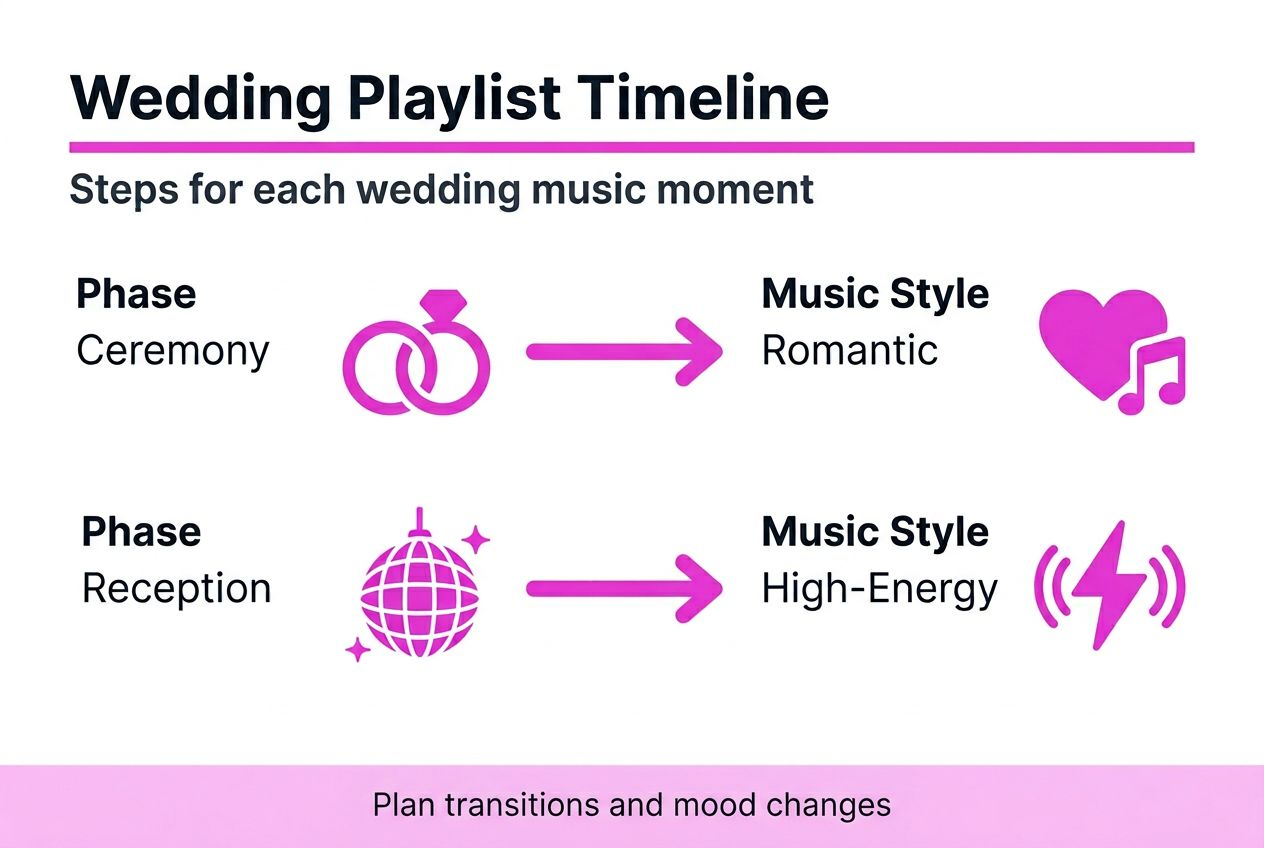
Smooth transitions between phases maintain energy flow and guest engagement throughout your event. Work with your DJ to plan crossfades or use instrumental bridges between distinct musical sections. Avoid abrupt genre shifts that confuse or disengage your guests.
Pro Tip: Build your dancing playlist in 30-minute blocks with intentional peaks and valleys. This prevents guest fatigue and keeps people returning to the floor throughout the evening rather than burning out early.
Consider the emotional journey you want guests to experience. Your ceremony should evoke romance and significance, whilst cocktail hour encourages relaxed connection. Dinner allows for nostalgia and appreciation, and dancing celebrates pure joy. Each playlist serves these distinct emotional purposes whilst maintaining cohesion across your entire celebration. Explore more ultimate wedding playlist tips to refine your approach.
Balancing guest preferences with personal touches
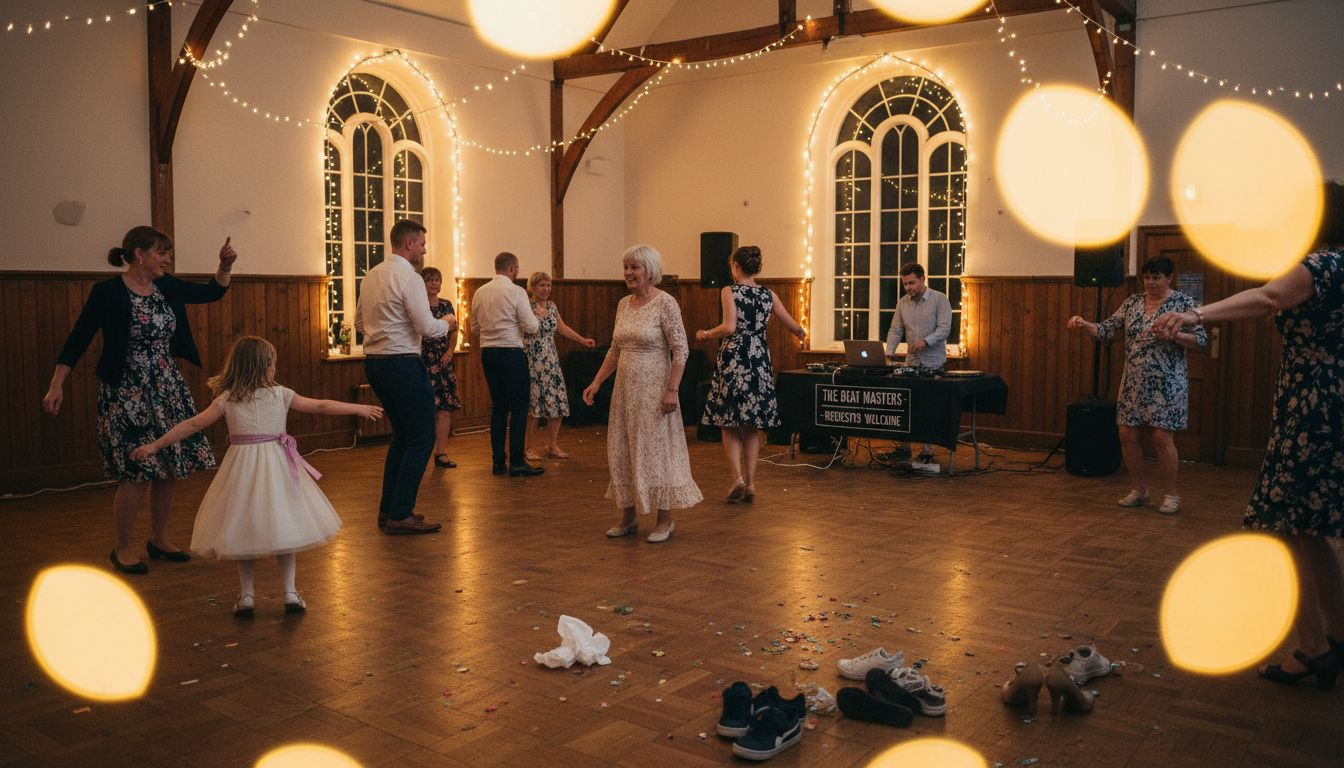
The most successful wedding playlists honour your personal story whilst keeping guests engaged and dancing. This balance requires strategic thinking about song selection and guest demographics. Including a balanced mix of genres and eras engages guests of all ages, maximising dance floor participation throughout your reception.
Start by analysing your guest list demographics:
- Identify age ranges present, from young children to elderly relatives
- Note cultural backgrounds that might appreciate specific musical traditions
- Consider whether guests tend toward mainstream tastes or niche preferences
- Recognise any physical limitations that might affect dancing styles
Once you understand your audience, create a foundation of universally appealing tracks. These crowd-pleasers span generations and get nearly everyone moving. Think Stevie Wonder, Queen, ABBA, and contemporary chart-toppers with broad appeal. Allocate roughly 60-70% of your dancing playlist to these reliable choices.
The remaining 30-40% showcases your unique musical identity. Include songs that tell your relationship story, remind you of special moments, or simply make you incredibly happy. These personal selections create authentic, memorable moments that distinguish your wedding from every other celebration your guests attend.
“The best wedding playlists feel both familiar and surprising. Guests should recognise enough songs to feel comfortable whilst discovering new tracks that reveal the couple’s personality and story.”
Balance also means genre diversity. Even if you’re massive indie rock fans, sprinkle in soul, pop, classic rock, country, and dance tracks to satisfy varied tastes. This variety prevents the playlist from feeling one-dimensional or exclusionary. Pay attention to tempo variation as well, alternating high-energy bangers with moderate tracks that allow guests to catch their breath.
Cultural inclusivity enriches your celebration. If you or your partner have Scottish, Irish, Italian, or any other heritage, incorporate traditional music from those cultures. These moments honour family history and create touching connections with older relatives whilst educating younger guests about their background. Just ensure these cultural selections integrate naturally rather than feeling like obligatory checkboxes.
Consider creating a “do not play” list alongside your desired tracks. This prevents well-meaning DJs or guests from requesting songs that don’t align with your vision. Common additions include overplayed wedding clichés you’re tired of or tracks with negative personal associations. Review wedding planning essentials to understand how music fits into your broader celebration strategy.
Technology tools and collaborating with professional DJs
Modern technology simplifies playlist creation whilst professional DJs elevate execution beyond what amateur setups achieve. Using music planning apps and collaborating with a professional DJ improves playlist management and enables live flow adjustments that respond to your guests’ energy and engagement.
Popular apps streamline the planning process:
- Spotify: Create collaborative playlists, explore curated wedding collections, and share easily with your DJ or entertainment team
- Apple Music: Similar collaborative features with seamless integration if you’re in the Apple ecosystem
- WeddingWire: Specialised wedding planning tools including music organisation and timeline coordination
- Music Request Apps: Allow guests to suggest songs in real time whilst giving you or your DJ final approval
These platforms offer discovery algorithms that suggest tracks based on your existing selections. This feature helps you find songs you might have overlooked whilst maintaining stylistic consistency. You can also preview how songs flow together, adjusting order to optimise energy progression.
Professional DJs bring expertise that technology alone cannot replicate. They read crowds in real time, adjusting tempo and genre based on dance floor activity. If a particular style isn’t resonating, experienced DJs pivot smoothly to re-engage guests. They also handle technical aspects like volume balancing, microphone coordination, and equipment troubleshooting that can derail DIY setups.
When working with a DJ, schedule a detailed consultation at least one month before your wedding. Share your playlists, discuss your vision, and establish clear communication about must-play and do-not-play tracks. Professional DJs appreciate couples who provide direction whilst trusting their expertise to make moment-to-moment decisions.
Pro Tip: Create three versions of your dancing playlist: your ideal order, a high-energy alternative if guests are particularly enthusiastic, and a mellower backup if the crowd seems tired. This gives your DJ flexibility to match the room’s actual energy.
Prepare backup solutions for technical failures. Download offline versions of your playlists in case Wi-Fi fails. Ensure your DJ has redundant equipment including spare laptops, speakers, and cables. Discuss contingency plans for power outages or equipment malfunctions so you’re not caught unprepared if technology fails at a critical moment.
Explore options for hiring a wedding DJ to understand what professional services offer beyond basic playlist management, including MC duties, lighting coordination, and interactive entertainment that elevates your entire reception experience.
Common mistakes to avoid and troubleshooting tips
Even well-intentioned couples make predictable errors when creating wedding playlists. Understanding these pitfalls helps you avoid disappointment and ensures your musical vision succeeds. The most common mistake involves inadequate preparation for key moments.
Neglecting rehearsal of entrance and first dance songs leads to timing issues and emotional disconnect during your wedding. These moments deserve careful coordination with your DJ or audio technician. Practice your first dance to the exact version you’ll use, noting where in the song you want to start and whether you’ll dance through the entire track or fade out partway through.
Additional mistakes that undermine playlist success:
- Genre extremes: Overloading with niche genres that don’t appeal across generations creates empty dance floors and disengaged guests who feel excluded
- Ignoring transitions: Jumping from slow ballads to aggressive electronic music or between drastically different genres confuses guests and kills momentum
- Excessive length: Creating six-hour playlists with no prioritisation forces last-minute scrambling when time runs short
- Forgetting volume dynamics: Selecting songs with wildly different recording volumes creates jarring experiences requiring constant manual adjustment
- No buffer tracks: Failing to prepare extra songs for unexpected delays leaves awkward silence when formalities run long
Timing failures prove particularly problematic. Your ceremony processional might be longer or shorter than anticipated based on walking speed and aisle length. Test your selections with actual walking pace during rehearsal. Similarly, coordinate dinner music duration with your caterer’s service timeline to avoid running out of appropriate tracks.
“The biggest regret couples express about their wedding music isn’t song selection but failing to rehearse key moments. A beautifully chosen first dance song becomes awkward when you haven’t practised the timing or discussed cues with your DJ.”
Troubleshooting common issues requires proactive planning:
- Low dance floor energy: Keep three to five guaranteed crowd-pleasers in reserve to inject energy when participation drops
- Technical glitches: Always maintain offline backup playlists on multiple devices
- Guest requests derailing your vision: Empower your DJ to politely decline requests that don’t fit your established vibe
- Running short on time: Identify which playlist segments are expendable if your timeline compresses
Communication prevents most problems. Share your complete vision with everyone involved in music execution, including venue coordinators who control house sound systems. Confirm technical specifications like whether your venue allows external speakers or has volume restrictions that might affect your plans.
Review resources about avoiding common playlist mistakes to learn from others’ experiences and develop contingency plans for scenarios you might not have considered.
Budgeting and costs for wedding music
Music represents a significant wedding expense that deserves careful financial planning. Understanding typical costs helps you make informed decisions about DIY versus professional options. Music budgets average 8-10% of total wedding costs, with DIY playlists costing around £500 and professional DJs ranging from £800 to £2,500 in Scotland.
Budget allocation varies based on your approach and expectations:
| Option | Typical Cost (Scotland) | Includes | Best For |
|---|---|---|---|
| DIY Playlist | £300-£500 | Rental equipment, streaming subscriptions, basic setup | Small weddings, tight budgets, tech-savvy couples |
| Semi-Professional | £600-£1,200 | Equipment, basic DJ services, limited customisation | Moderate budgets wanting some professional input |
| Professional DJ | £800-£1,800 | Full equipment, experienced DJ, MC services, planning consultation | Couples prioritising seamless execution and expert crowd reading |
| Premium DJ Package | £1,800-£2,500+ | Top-tier DJ, advanced lighting, special effects, extensive planning | Larger weddings, premium venues, comprehensive entertainment vision |
DIY approaches save money but demand significant time investment and technical knowledge. You’ll need to rent or purchase quality speakers, microphones, and potentially lighting equipment. Factor in streaming service subscriptions, backup device costs, and potentially hiring someone to manage playback during your celebration since you’ll be occupied with other responsibilities.
Professional DJ services include more than music playback. Experienced DJs provide MC services, coordinate with other vendors, manage timeline transitions, and handle unexpected situations seamlessly. They bring professional-grade equipment, backup systems, and liability insurance that protects you if technical issues arise.
Money-saving strategies without sacrificing quality:
- Book DJs during off-peak wedding months (November through March) for potential discounts
- Bundle services like DJ, lighting, and photo booth for package pricing
- Limit hours of professional coverage, using DIY playlists for ceremony and cocktails whilst hiring DJs only for reception
- Negotiate directly with DJs rather than through agencies to reduce commission costs
- Consider newer DJs building their portfolios who offer competitive rates with high enthusiasm
Compare quotes from multiple providers, ensuring you understand exactly what each package includes. Some DJs charge extra for travel beyond certain distances, additional equipment like wireless microphones, or extended hours beyond the standard package. Request itemised quotes to avoid surprise charges.
Investment in quality music pays dividends through guest enjoyment and memorable moments. Whilst tempting to minimise this expense, inadequate sound systems or inexperienced operators can undermine your entire celebration. Balance cost consciousness with realistic assessment of your technical abilities and time availability.
Explore detailed information about wedding DJ prices to understand market rates and what different price points typically include. Review wedding DJ Scotland services to compare local options and identify providers offering the best value for your specific needs.
Expected outcomes and success indicators for your wedding playlist
Measuring playlist success helps you evaluate whether your musical choices achieved their intended impact. Successful wedding playlists create measurable outcomes that you’ll observe throughout your celebration and hear about in post-wedding feedback.
Key success indicators include:
- Sustained dance floor activity: Guests remain dancing for at least two consecutive hours during peak reception time, with minimal empty floor periods
- Demographic diversity on the floor: Multiple generations participate simultaneously rather than different age groups segregating into separate areas
- Emotional resonance: Guests visibly respond during meaningful moments like your first dance, parent dances, and signature songs
- Minimal timeline disruptions: Music transitions happen smoothly without awkward pauses or technical difficulties that interrupt flow
- Positive unsolicited feedback: Guests spontaneously compliment your music choices during and after the celebration
- Guest satisfaction ratings: Post-wedding feedback surveys show 85% or higher satisfaction with music and entertainment
Beyond quantifiable metrics, successful playlists create intangible atmosphere that guests remember years later. Your celebration should feel uniquely yours whilst remaining inclusive and engaging. Guests should leave humming songs, recounting favourite dance moments, and feeling they truly celebrated with you rather than merely attended an obligation.
Photographic and video evidence provides another success measure. Review your wedding photos and videos for genuine smiling faces, energetic movement, and full dance floors. These visual records capture authentic moments that statistics cannot quantify but clearly demonstrate whether your musical choices resonated.
Post-wedding reflection helps future couples learn from your experience. Note which songs exceeded expectations and which fell flat. Identify whether your timeline allocation for each phase proved accurate or needed adjustment. Document any technical issues or coordination challenges so you can advise friends planning their own celebrations.
Successful playlist outcomes ultimately mean you and your partner felt the music enhanced rather than distracted from your celebration. Your choices should have supported the emotional journey you envisioned, from ceremony solemnity through reception jubilation, creating the exact atmosphere you imagined when you began planning months earlier.
Enhance your wedding with professional DJ services
Whilst DIY playlists offer budget-friendly options, professional DJ services transform good wedding music into unforgettable entertainment experiences. Fresh Entertainments specialises in creating seamless playlists tailored to Scottish weddings, combining your personal vision with expert crowd-reading skills that keep dance floors packed all evening.
Our experienced DJs collaborate with couples throughout the planning process, refining playlists whilst maintaining flexibility for live adjustments based on guest energy and engagement. We bring professional-grade equipment, backup systems, and comprehensive liability coverage that protects your celebration from technical mishaps. Beyond music, our services include MC duties, timeline coordination, and interactive entertainment that elevates your entire reception.
Explore our competitive wedding DJ prices and discover why couples across Scotland trust Fresh Entertainments to deliver exceptional musical experiences. Our wedding DJ Scotland services cover everything from intimate gatherings to grand celebrations, with customisable wedding entertainment packages designed to match your vision and budget perfectly.
Frequently asked questions
How early should we start planning our wedding playlist?
Begin playlist planning at least three to four months before your wedding day to ensure adequate time for thoughtful song selection and adjustments. This timeline allows you to research tracks, gather input from family and friends, coordinate with your DJ or entertainment team, and rehearse key moments like your first dance without feeling rushed or stressed.
Can we include songs that represent different cultural backgrounds?
Absolutely, incorporating culturally significant songs creates a welcoming and inclusive atmosphere that honours your heritage and educates guests about diverse traditions. Balance these meaningful cultural selections with popular mainstream tracks to maintain energy and ensure all guests feel engaged throughout your celebration, creating beautiful moments of connection across different backgrounds.
What are common pitfalls when creating a wedding playlist?
The most frequent mistakes include starting planning too late leading to rushed choices, neglecting guest preferences which causes low engagement, skipping rehearsals resulting in timing issues during key moments, and poor transitions between songs that reduce dance floor energy. Avoid these problems through early planning, diverse song selection, coordination with your DJ, and testing critical moments before your wedding day.
Should we hire a professional DJ or manage our playlist ourselves?
DIY playlists suit couples on tight budgets who possess good music knowledge and technical skills to manage equipment reliably. Professional DJs offer expertise in live mixing, reading crowds, and handling unexpected changes seamlessly whilst providing quality equipment and backup systems. Consider your budget, event size, technical confidence, and desired stress level when deciding which approach fits your wedding celebration in Scotland best.